Rejuran London
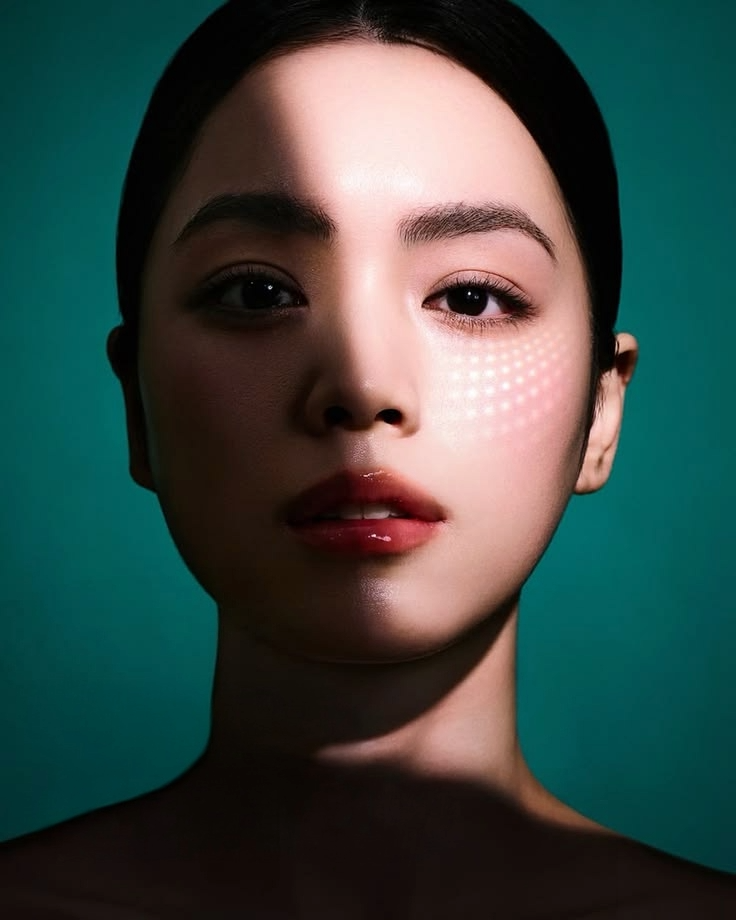

Korean Polynucleotide
Treatment in London
REJURAN® is the original Korean polynucleotide (PN) treatment — a long-chain DNA injectable that improves skin quality, texture, and resilience from within. Developed in South Korea and used extensively in Korean aesthetic medicine, it works by stimulating the skin's own repair and collagen production — not by adding volume or changing facial shape.
At Re: by Dr Haram Kim, Rejuran is administered by a GMC-registered Korean medical doctor in a private one-to-one setting in Marylebone, London. Three formulations are available: Rejuran Healer for broader skin quality improvement, Rejuran i for the under-eye area, and Rejuran S for targeted scarring and textural concerns.
A Korean treatment,
administered by a Korean doctor.
Rejuran was developed in South Korea, where polynucleotide skin treatments have been part of everyday aesthetic medicine for years — long before they became a trend in the UK. In Korea, the focus has always been on skin quality first: improving the actual condition of the skin rather than changing its shape or volume. The Korean ideal of healthy, luminous skin — sometimes called glass skin — is not about looking altered. It is about skin that is genuinely well.
Dr Haram Kim grew up in South Korea and trained in Korean aesthetic medicine before bringing that approach to London. At Re:, Rejuran is not a new addition. It is a treatment Dr Kim knows deeply — from a culture where skin health is central to how aesthetics is practised.
When you have Rejuran at Re:, it is administered by a GMC-registered doctor who understands the Korean skin-first philosophy behind it — not just how to deliver it, but why it works, and when it is genuinely the right choice for you.
What Rejuran Is — and Is Not
Polynucleotides are used when the aim is to improve skin condition — not to change facial volume or shape. They suit reduced skin quality, textural change, enlarged pores, post-inflammatory marks, under-eye skin quality, and selected scar concerns.
REJURAN® PN works at a cellular level, binding to receptors that stimulate tissue repair and collagen production. The result is improved texture, hydration, resilience, and pore appearance — changes that come from within the skin itself.
Results develop gradually over 4–8 weeks and continue to build with each session. Think of it like a gym workout for the skin — each session builds on the last, and it is the cumulative effect that delivers lasting improvement.
PN vs PDRN — What Is the Difference, and Which Is Rejuran?
These two terms appear across clinic websites and beauty articles, often used as if they mean the same thing. They do not. Understanding the difference matters — both for knowing what you are getting, and for choosing the right treatment.
Long-chain DNA fragments with a higher molecular weight. Derived from salmon through a purification process that removes allergens and proteins. In skin aesthetics, PN stimulates fibroblast activity and collagen synthesis — improving skin quality, texture, hydration, and resilience over time. This is what REJURAN® uses.
Shorter-chain DNA fragments with a lower molecular weight. PDRN acts primarily on A2A adenosine receptors and is more commonly associated with wound healing and tissue repair. REJURAN® does not use PDRN — it uses longer-chain PN.
REJURAN® is the original Korean polynucleotide product. It uses long-chain PN — not PDRN. Developed and manufactured in South Korea, it has a well-established clinical track record for aesthetic skin quality improvement.
The terms "PDRN treatment" and "polynucleotide treatment" are often used interchangeably in the UK — but they refer to different molecules. If you have been searching for PDRN treatment London, you are most likely looking for a polynucleotide (PN) skin quality treatment. Rejuran is PN. At Re:, only authentic REJURAN® is used.
In Korean aesthetic medicine, Rejuran (PN) has been a clinical staple for years — long before "polynucleotide treatment" became a popular search term in the UK. Its strength lies in what it does not do as much as what it does: it does not change the face. It improves the condition of the skin itself, supporting the Korean ideal of glass skin — skin that is healthy enough to glow on its own.
Rejuran Treatment Options
Different Rejuran formulations suit different concerns. Dr Kim will recommend the most appropriate option following consultation and skin assessment.
Half Face 2cc
Targeted Korean PN treatment for skin repair and regeneration in a focused area. Improves texture, refines enlarged pores, and restores overall skin quality.
Full Face 4cc
Full-face Korean polynucleotide (PN) treatment using 4cc for even distribution. Improves texture, elasticity, and pore appearance throughout the face.
Under-Eye Area
Specialised PN formulation for the delicate under-eye and periocular area. Improves skin quality, softens fine lines and crepey texture around the eyes.
Targeted Scar Treatment
Concentrated polynucleotide (PN) treatment for targeted areas of scarring or textural irregularity. Supports focused skin regeneration and a smoother appearance.
All prices include VAT at 20%. Suitability confirmed at consultation. Individual results may vary.
Rejuran Treatment Areas
The appropriate formulation and treatment area is discussed and confirmed at consultation with Dr Kim.
Forehead, cheeks, nose area, chin, and around the mouth. Rejuran Healer (2cc or 4cc) used for overall skin quality improvement.
Delicate periocular and under-eye skin. Rejuran i is specifically formulated for this area — improving fine lines, crepiness, and skin fragility.
Targeted areas of post-acne textural change, scarring, or irregularity. Rejuran S supports focused regeneration in these localised areas.
Where skin quality and fine horizontal lines are the concern. Suitability for neck and décolletage treatment is discussed at consultation.
Polynucleotide treatment for hand skin quality — improving crepiness, texture, and overall skin condition where volume loss is not the primary concern.
Is Rejuran Right for You?
- —Your skin looks tired, dull, or dehydrated even with a consistent skincare routine
- —You have fine lines and texture concerns but do not want shape-changing or volumising treatments
- —You have post-inflammatory marks, acne scarring, or uneven skin texture you want to improve gradually
- —You want to improve skin quality around the under-eye area — fine lines, crepiness, or fragile skin
- —You want gradual, natural skin regeneration as part of a longer-term skin health plan
- —You are interested in the Korean approach to skin health and want treatments that reflect that philosophy
Rejuran vs Other Treatments
Patients often arrive having researched multiple treatments and products. These comparisons clarify what Rejuran is, what it is not, and where other treatments are more appropriate.
Long-chain PN stimulates collagen and fibroblast activity. Improves texture, hydration, pore size, and post-inflammatory marks. No volume. Best for patients focused on skin condition rather than shape.
Restores facial volume and defines contours. Immediate result. Does not improve skin condition. Used for cheeks, lips, jawline, chin. A different purpose to Rejuran — the two can be combined.
Hyaluronic acid bio-remodeller that improves skin laxity and deep hydration. Stronger for laxity; Rejuran is stronger for texture, pore refinement, and post-inflammatory marks. Both target skin quality from different angles.
Some Korean PN injectables combine polynucleotides with additional ingredients such as PDLLA (poly-D-lactic acid) and HA — adding a mild structural or volumising element alongside skin quality improvement. Rejuran Healer is pure PN with no volumising effect. Different goals, suit different patients.
Several polynucleotide products are available in the UK, including European-made options. They differ in molecular weight, chain length, source, concentration, and clinical evidence. REJURAN® is the original Korean PN product. At Re:, only authentic REJURAN® is used.
The right treatment depends on your specific concern. Dr Kim will advise at consultation based on an honest assessment of what is genuinely likely to help.
What to Expect
Rejuran is administered by multiple small injections across the treatment area. Topical anaesthetic is applied beforehand to improve comfort. Depending on the treatment chosen, the appointment takes approximately 60–90 minutes. Small bumps at injection sites are normal immediately after and settle within a few hours. Mild redness may persist for 24–48 hours.
Results are gradual — think of it like a gym workout for the skin. Each session builds on the last. Improvement in skin quality, texture, and hydration becomes noticeable from 4–8 weeks. Best results after a course of 3 sessions spaced 4 weeks apart. Results typically last 6–12 months.
Mild redness and small injection marks for 24–48 hours. Normal activities can resume the same day.
REJURAN® — the original Korean polynucleotide (PN) treatment, developed in South Korea and used clinically in Korean aesthetic medicine for years before arriving in the UK.
Aftercare
- —Avoid touching or rubbing the treated area
- —Avoid makeup for 24 hours
- —Avoid exercise, alcohol, and saunas
- —Avoid direct sun exposure and apply SPF
- —Small bumps at injection sites — normal, settle in hours
- —Mild redness for 24–48 hours
- —Resume normal skincare after 24–48 hours
- —Do not squeeze or pick at injection sites
Combination Treatments
Rejuran works well as part of a broader skin plan. The following treatments are commonly combined with polynucleotides at Re:, with timing discussed at consultation.
Botulinum toxin addresses muscle-driven lines while Rejuran improves the skin quality between those lines. Used together, they address two distinct aspects of the same concern.
Microneedling and Rejuran both support skin renewal through different mechanisms. They are not combined in the same session — timing is discussed at consultation based on your skin plan.
Rejuran results are supported and sustained by a consistent homecare routine. A personalised Obagi skincare plan is often recommended alongside in-clinic treatment for the best long-term outcome.
Frequently Asked Questions
PN (polynucleotide) and PDRN (polydeoxyribonucleotide) are related but different molecules. PN refers to longer-chain DNA fragments with higher molecular weight — used in skin quality treatments like Rejuran. PDRN refers to shorter DNA fragments, associated primarily with wound healing and tissue repair, found in some European products such as Plinest, Ameela, and Nucleofill. REJURAN® is a PN product — not a PDRN product. If you have been searching for PDRN treatment London, you are most likely looking for PN skin treatment — Rejuran is what you are looking for.
Polynucleotides (PN) are long-chain DNA fragments purified from salmon. When injected into the skin, they stimulate fibroblast activity, collagen synthesis, and skin regeneration — improving texture, hydration, pore size, and skin quality over time. They are not filler and do not add volume or change the shape of the face. REJURAN® is the original Korean PN product.
PDRN (polydeoxyribonucleotide) is a shorter-chain DNA molecule, most commonly associated with wound healing and tissue repair. REJURAN® does not use PDRN — it uses longer-chain polynucleotides (PN) with a higher molecular weight. The two are related but scientifically distinct.
Not exactly. Several polynucleotide products are available in the UK, including European-made options. They differ in molecular weight, chain length, source, concentration, and clinical evidence base. REJURAN® is the original Korean PN product with a well-established clinical track record specifically in aesthetic skin quality improvement. At Re:, only authentic REJURAN® is used.
No. Some Korean PN injectables combine polynucleotides with additional ingredients such as PDLLA (poly-D-lactic acid) and hyaluronic acid — adding a mild structural or volumising element alongside skin quality improvement. Rejuran Healer is pure PN with no volumising component. These suit different goals. Dr Kim will advise which is appropriate at consultation.
Rejuran Healer is used for broader facial skin quality improvement. Rejuran i is a specialised formulation for the delicate under-eye and periocular area — improving fine lines, crepiness, and skin fragility. Rejuran S is a concentrated formulation for targeted areas of scarring or textural irregularity. Dr Kim will recommend the right option at consultation.
Rejuran Healer can be used across the face, neck, décolletage, and hands. Rejuran i is specifically formulated for the delicate under-eye and periocular area. Rejuran S is used for targeted areas of scarring or textural irregularity. The appropriate area is confirmed at consultation.
A course of 3 sessions spaced 4 weeks apart is typically recommended. Think of it like a gym workout for the skin — each session builds on the last, and it is the cumulative effect over the course that delivers lasting improvement. Maintenance every 6–12 months helps sustain results.
Results from a full course typically last 6–12 months, varying between patients depending on skin type, age, lifestyle, and formulation used. Maintenance sessions every 6–12 months are recommended to sustain improvement.
Results are gradual. Most patients notice improvement in skin quality, hydration, and texture from around 4–8 weeks after starting treatment. The skin continues to improve with each session in the course.
Topical anaesthetic is applied before treatment. Multiple fine-needle injections are used across the area. Most patients find it manageable. Small bumps at injection sites are normal immediately after and settle within a few hours.
They work differently. Profhilo is a hyaluronic acid bio-remodeller that primarily improves skin laxity and hydration. Rejuran (PN) stimulates collagen production and cellular repair, making it particularly effective for texture, pore refinement, and post-inflammatory marks. Some patients benefit from both as part of a broader skin plan. Dr Kim will advise at consultation.
No cosmetic treatment is entirely without risk. REJURAN® has a well-established track record in Korea and internationally, having been used in clinical practice for many years. At Re:, risk is managed through careful patient selection and delivery by Dr Haram Kim, a GMC-registered medical doctor. Suitability is confirmed at consultation, including a review of relevant medical history.
Yes. Rejuran is generally well tolerated across all skin tones and Fitzpatrick types. Unlike laser or energy-based treatments, polynucleotide injections do not use heat — so the risk of post-inflammatory pigmentation is low. Suitability for your specific skin is confirmed at consultation.
Yes. Polynucleotides work well alongside anti-wrinkle treatment, dermal filler, microneedling, and medical-grade skincare as part of a longer-term skin plan. Timing between treatments is discussed at consultation.
Begin with a consultation
Rejuran suitability is confirmed at a private one-to-one consultation with Dr Haram Kim in Marylebone, London. The right formulation and course is decided based on your skin, concerns, and goals.